CZ vs Moissanite vs Lab-Grown Diamond: The Complete Buyer's Guide (2026)
As a Bangkok-based jewelry manufacturer since 2000, we get asked the same question every week: "Which stone should I use for my jewelry line — CZ, Moissanite, or Lab-Grown Diamond?" This guide breaks down the science, the price, and the brand positioning of each.
1. Cubic Zirconia (CZ)
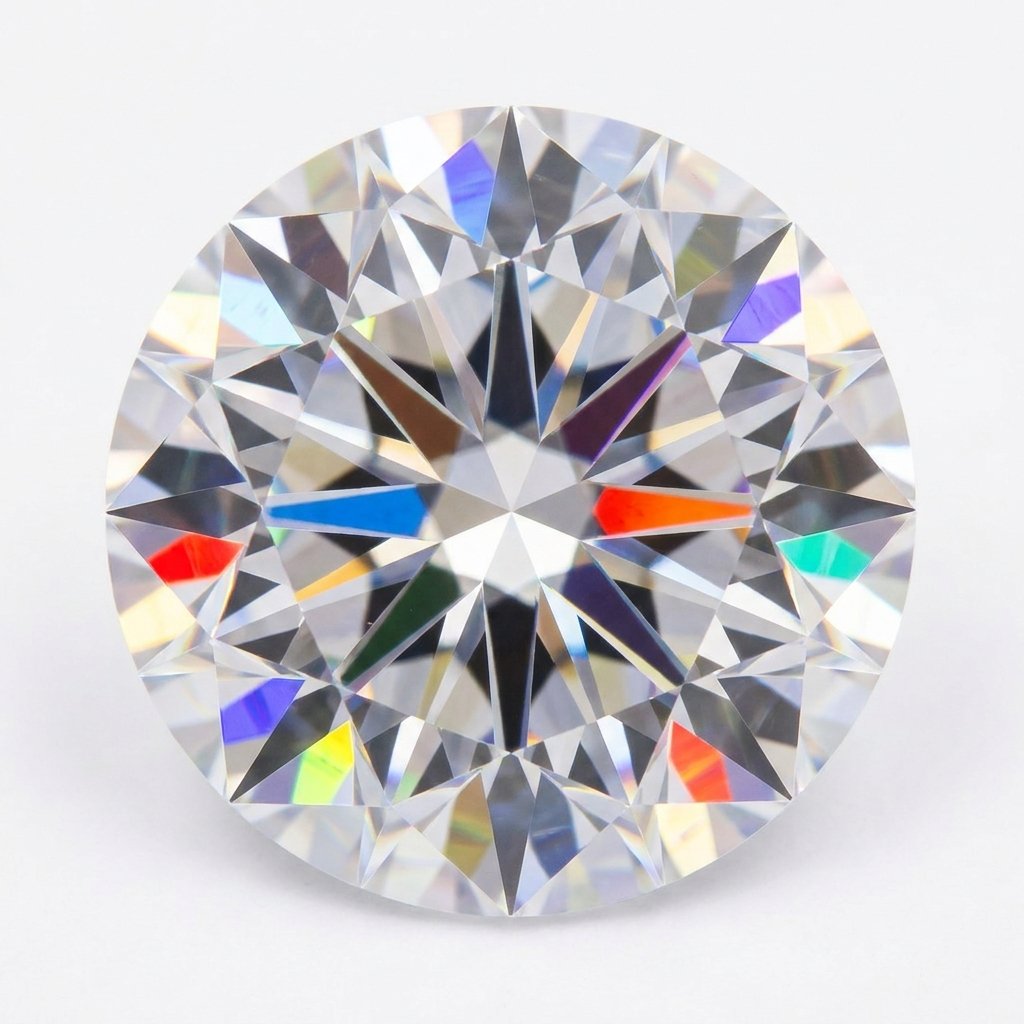
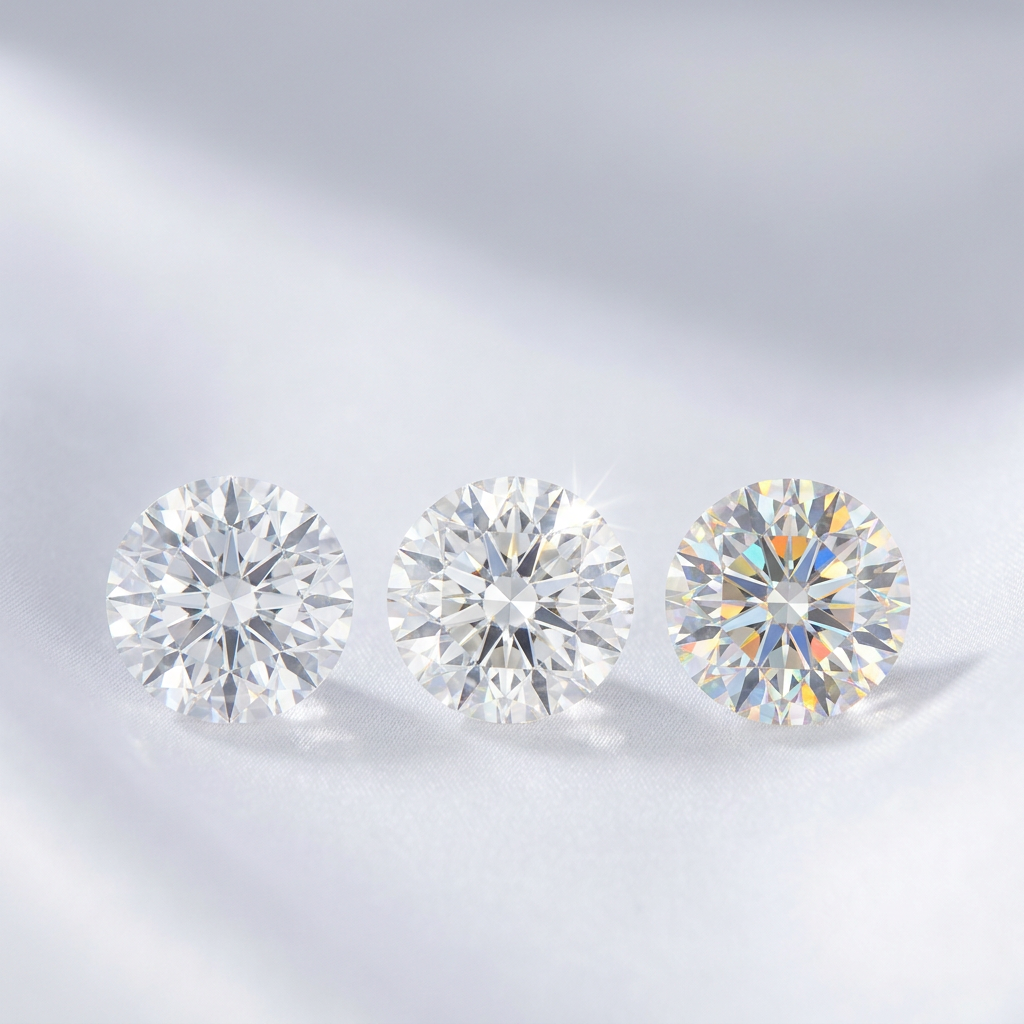
Cubic zirconia is a synthetic crystalline substance made of zirconium dioxide (ZrO₂). First produced in 1976, it became the world's most popular diamond simulant within a decade.
Key Properties
- Hardness: 8.0–8.5 on the Mohs scale — durable enough for daily wear
- Refractive index: 2.15–2.18 (higher than diamond's 2.42 — but disperses light differently)
- Density: 1.7× heavier than diamond — feels substantial
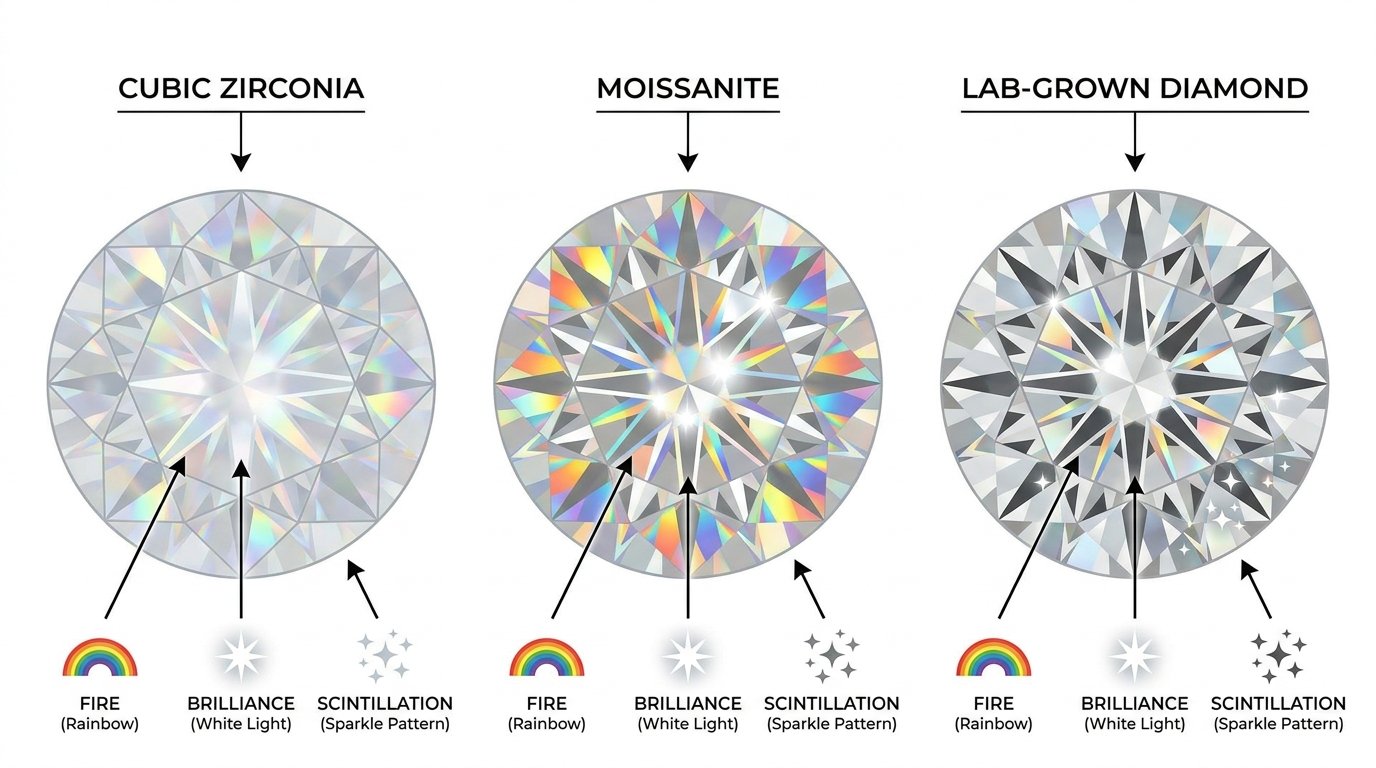
- Dispersion (fire): 0.060 — produces more rainbow flashes than diamond (0.044)
✓ Pros
- Lowest cost (~$1–$5 per stone)
- Available in every shape, color, and size
- High clarity (almost always eye-clean)
- Stable supply, easy to source
✗ Cons
- Can cloud or yellow over 2–3 years with daily wear
- Lower perceived value vs. moissanite/diamond
- Excessively rainbowy fire can look "fake"
Best for: Fashion jewelry, fast-fashion collections, kids' jewelry, high-MOQ test lines.
2. Moissanite
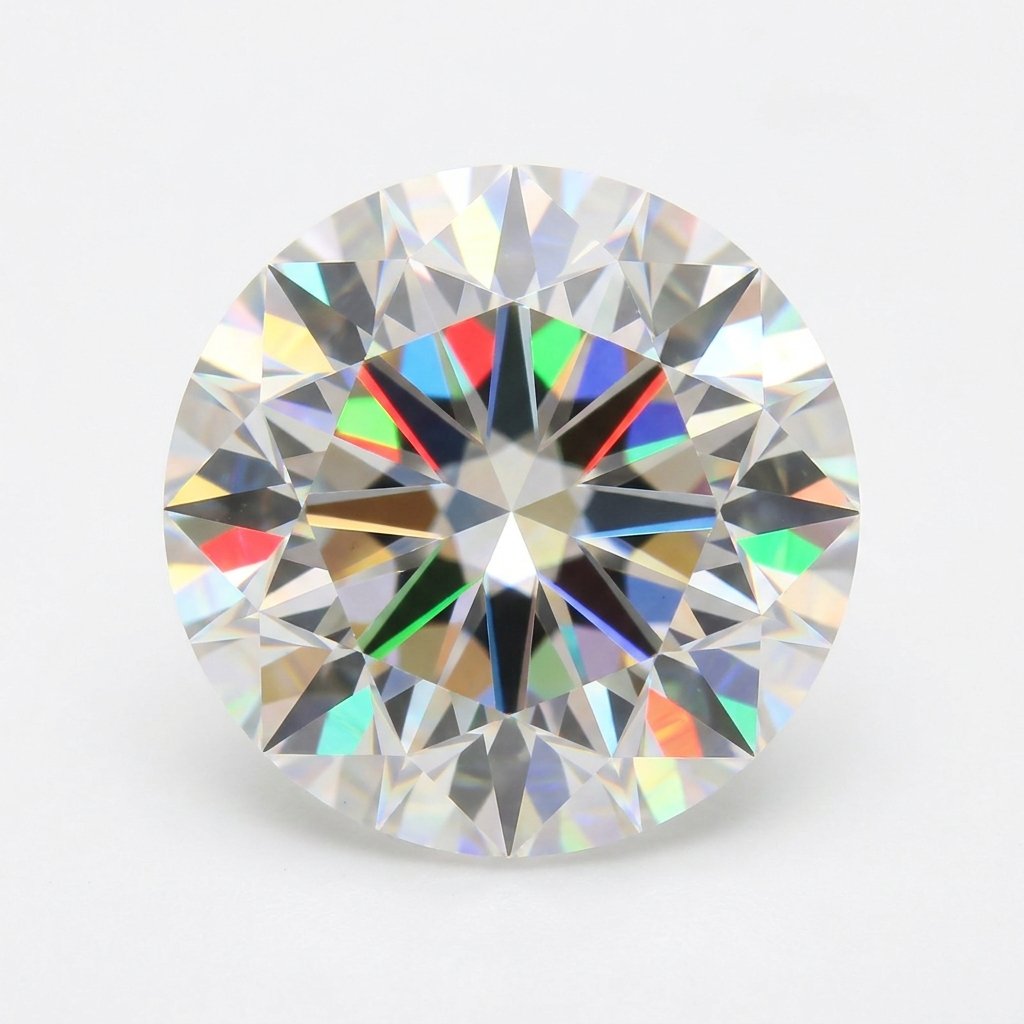
Moissanite is silicon carbide (SiC) — first discovered in a meteor crater in 1893 by Henri Moissan. Modern gem-quality moissanite is grown in labs and is a distinct material, not a "fake diamond."
Key Properties
- Hardness: 9.25 on the Mohs scale — second only to diamond
- Refractive index: 2.65–2.69 — higher than diamond
- Dispersion (fire): 0.104 — more than 2× diamond's fire
- Double refraction: Visible "doubling" of facet edges under magnification (a tell-tale sign)
✓ Pros
- Extremely durable (9.25 Mohs — outlasts CZ by decades)
- Distinctive fire appeals to younger / fashion-forward buyers
- Does not cloud or change color over time
- Lower price than lab-grown diamond (~$50–$300/carat)
✗ Cons
- Not as "prestigious" as diamond in some markets (US, EU)
- Excess fire can read as "too sparkly" to trained eyes
- Can't be sold as "diamond" — disclosure required
Best for: Bridal lines, signature pieces, customers who want diamond-like durability without the diamond price.
3. Lab-Grown Diamond
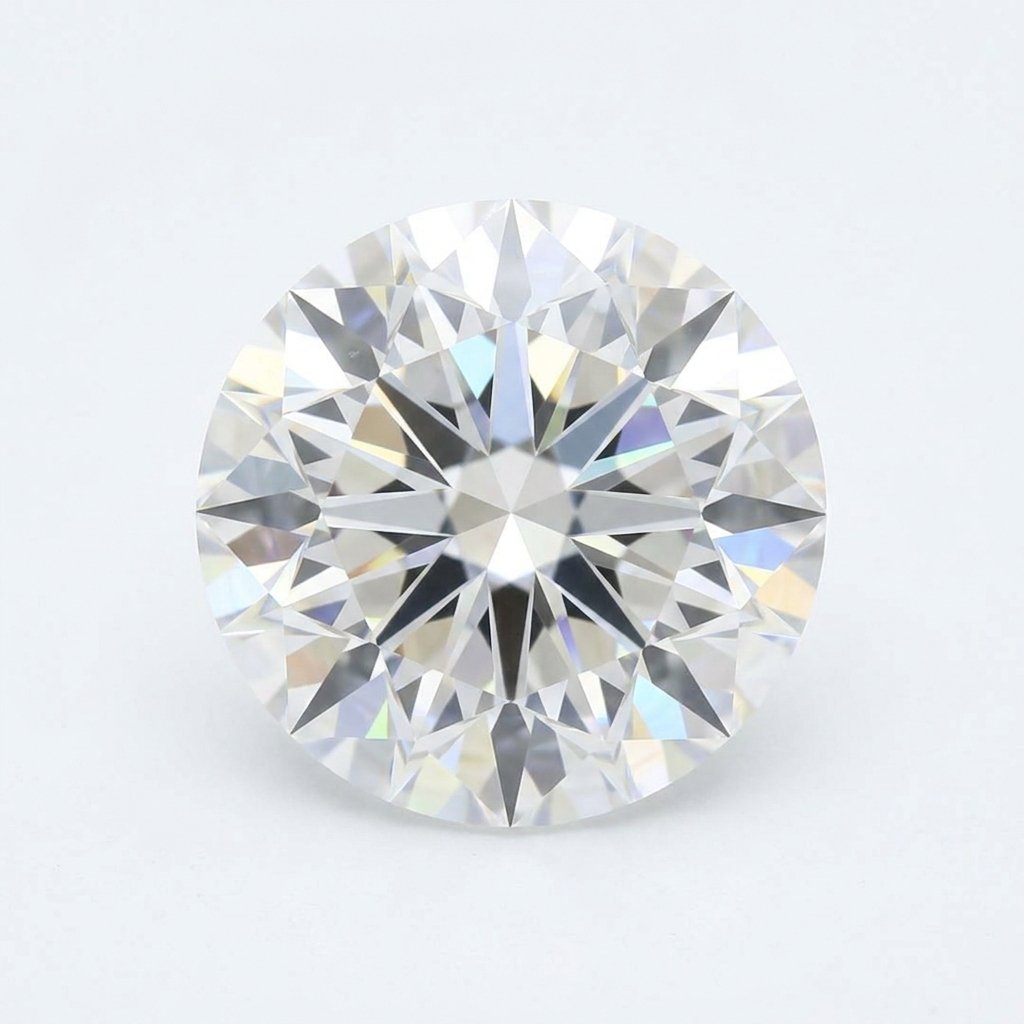
Lab-grown diamonds are same with real diamonds — pure carbon crystallized in the isometric system, with the same chemical, physical, and optical properties as natural diamonds. They're created using two methods: HPHT (High Pressure, High Temperature) or CVD (Chemical Vapor Deposition). The result is chemically, physically, and optically identical to mined diamond.
Key Properties
- Hardness: 10 on the Mohs scale — hardest natural material known
- Refractive index: 2.42 — same as mined diamond
- Dispersion (fire): 0.044 — same as mined diamond
- Certifications: IGI, GIA, GCAL — graded identically to mined diamonds
✓ Pros
- 30–50% cheaper than equivalent mined diamond
- Ethical and traceable (no mining, no conflict)
- Indistinguishable from mined diamond to the naked eye
- Carries full diamond certification (GIA / IGI)
✗ Cons
- Higher cost than CZ / moissanite (~$800–$2,000/carat)
- Resale value is significantly lower than mined diamond
- Some markets still prefer "natural" diamond (cultural lag)
Best for: Premium collections, engagement jewelry, customers who want a "real diamond" without the mined-diamond price tag or ethical concerns.
Side-by-Side Comparison
| Property | CZ | Moissanite | Lab Diamond |
|---|---|---|---|
| Material | ZrO₂ (zirconium dioxide) | SiC (silicon carbide) | Carbon (C) |
| Mohs hardness | 8.0–8.5 | 9.25 | 10 |
| Refractive index | 2.15–2.18 | 2.65–2.69 | 2.42 |
| Fire (dispersion) | 0.060 (high) | 0.104 (very high) | 0.044 (subtle) |
| Price per carat | $1–$5 | $50–$300 | $800–$2,000 |
| Durability (years daily wear) | 2–5 | Lifetime | Lifetime |
| Certification | None (commercial) | GRA / Charles & Colvard | GIA / IGI / GCAL |
| Resale value | None | Low (10–20%) | Medium (40–60%) |
| Best MOQ for brand | 10–100 pcs | 10–50 pcs | 5–20 pcs |
Which One Should You Choose?
Choose Cubic Zirconia if you sell:
- Fast-fashion / trend-driven jewelry (lead time 4–8 weeks)
- Kids' jewelry or gift sets (low price sensitivity)
- High-MOQ test capsules ($5–$15 wholesale)
Choose Moissanite if you sell:
- Bridal or anniversary jewelry (must last decades)
- Fashion-forward designs (you want the "wow" fire)
- Mid-tier bridal ($100–$500 retail price point)
Choose Lab-Grown Diamond if you sell:
- Premium / fine jewelry ($1,000+ retail)
- Sustainability-focused collections
- Engagement and milestone jewelry (need certification)
Our Recommendation as a Manufacturer
At LY Jewelry, we produce in all three materials. The choice depends on your target market, price point, and brand story. Many of our clients actually carry multiple stone options within the same design — letting their customers choose at point of sale.
For OEM/ODM projects, we recommend:
- Start with CZ or Moissanite for design validation and photography (lower cost, faster lead time)
- Upgrade to Lab-Grown Diamond once the design is proven and reorder volume justifies the higher cost
Need Help Choosing the Right Stone for Your Jewelry Line?
LY Jewelry manufactures in CZ, Moissanite, and Lab-Grown Diamond — MOQ 10 pcs, 10-day lead time, full CAD support. Based in Bangkok, Thailand since 2000.
Get a Free Quote →Frequently Asked Questions
Can moissanite pass a diamond tester?
Standard thermal diamond testers will read moissanite as "diamond" because both conduct heat similarly. However, modern dual testers (thermal + electrical) can distinguish between the two. Always disclose moissanite at point of sale to maintain FTC compliance.
Does lab-grown diamond hold its value?
Resale value for lab-grown diamond is currently 40–60% of retail price — lower than mined diamond (60–80%). Like most tech products, prices have been declining as production scales. Buy for the beauty and ethics, not the investment.
Is cubic zirconia bad for sensitive skin?
Yes, CZ is hypoallergenic and safe for sensitive skin. The risk is in the setting — make sure the metal is also nickel-free (sterling silver, gold, or platinum are best).
Sources & Further Reading
- GIA — Lab-Grown Diamond Reports
- Charles & Colvard — Moissanite Technical Data
- International Gem Society — Cubic Zirconia Properties
- LY Jewelry — Full Manufacturing Capabilities