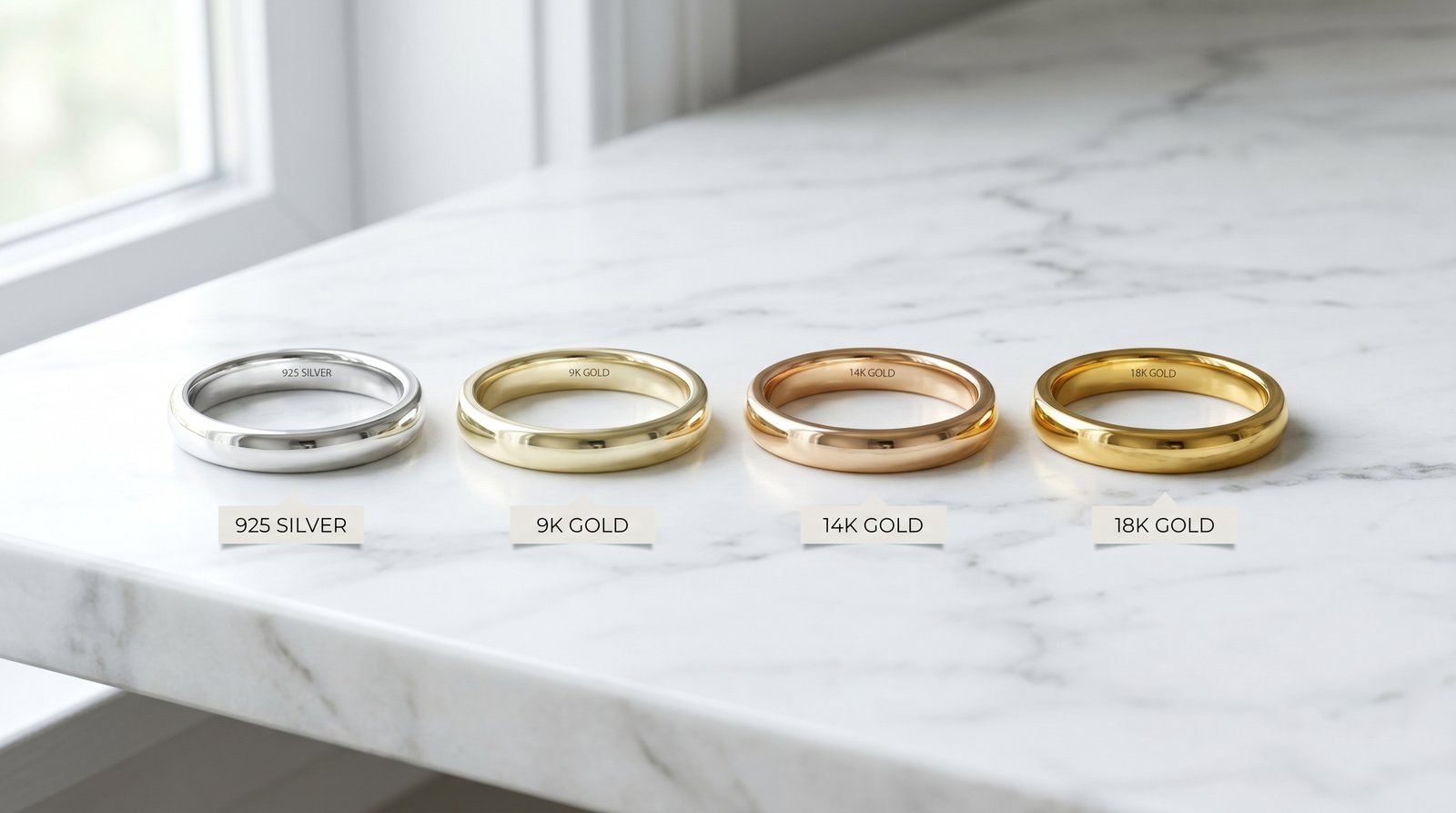
925 Sterling Silver vs 9K / 14K / 18K Gold: The Complete Guide for Jewelry Brands
When you're launching or scaling a jewelry brand, one of the earliest and most consequential decisions is which metal to build your line around. The choice cascades through everything else — your price points, target customer, design language, supplier selection, and even your marketing.
Get it right, and you have a coherent brand with healthy margins. Get it wrong, and you'll spend years trying to retrofit a line that doesn't quite work. This guide breaks down the four most common metal choices for B2B jewelry brands — 925 sterling silver, 9K gold, 14K gold, and 18K gold — and helps you match the right metal to your brand positioning.
925 Sterling Silver: The Accessible Workhorse
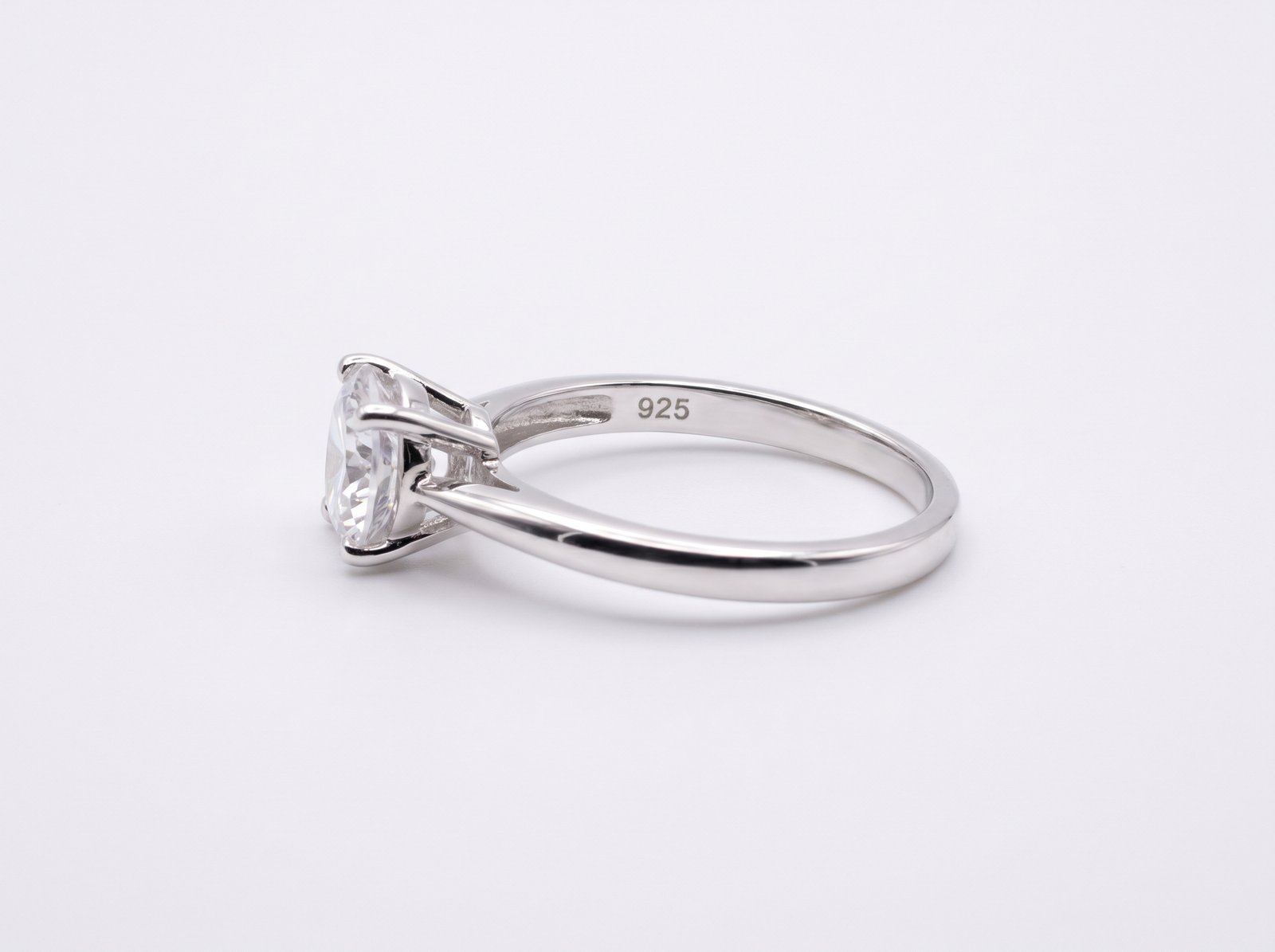
Sterling silver — marked 925 (92.5% pure silver, 7.5% copper) — is the most popular metal for fashion and demi-fine jewelry worldwide. It's the default choice for brands targeting the $50-$500 retail price range.
Composition
- 92.5% pure silver + 7.5% copper (most common alloy)
- Hardness: ~2.5-3 Mohs (relatively soft)
- Color: bright white, slightly warmer than rhodium-plated white gold
- Density: 10.36 g/cc — heavier than aluminum, lighter than gold
✅ Pros
- Affordable — 1/70th the price of 18K gold per gram
- Versatile — works for any style, any stone
- Easy to work with — solders, sets, and polishes easily
- Hypoallergenic options available (nickel-free alloys)
- Rhodium-platable for tarnish resistance and bright white finish
❌ Cons
- Tarnishes over time when exposed to air and moisture
- Scratches more easily than gold alloys
- Less perceived value than gold for some customers
- Cannot be sized down as easily as gold (work-hardens)
Best For
Fashion brands targeting $30-$500 retail. Brands with high SKU counts (50+ designs). Brands doing fast fashion cycles (4-6 collections per year). Brands entering the market and testing product-market fit.
LY Jewelry MOQ
10 pieces per design for OEM. Silver is our most popular category and we can run small batches cost-effectively.
9K Gold: The Budget-Friendly Real Gold
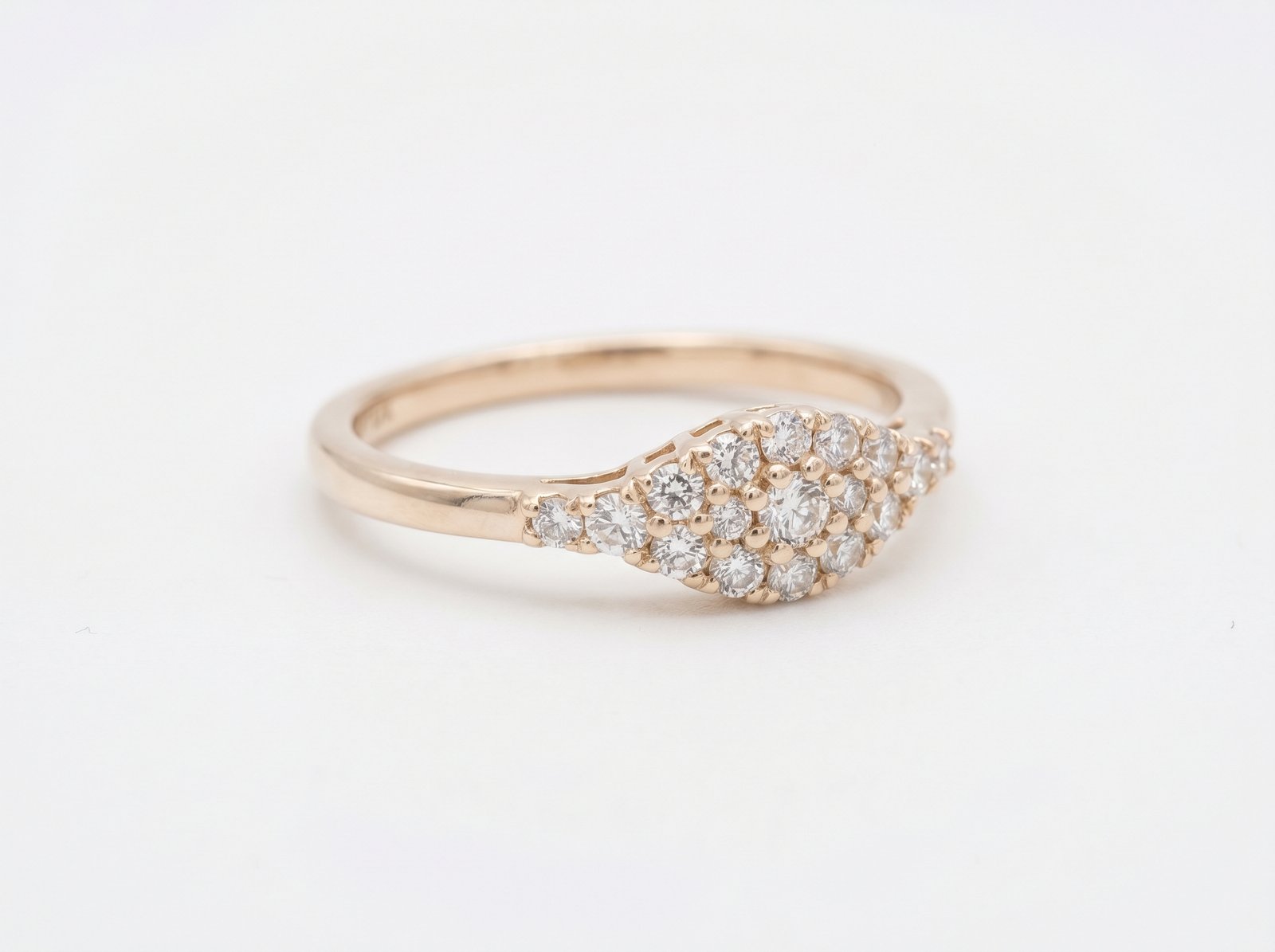
9K gold contains 37.5% pure gold (375 parts per thousand) — the minimum legally recognized as "gold" in the UK, Australia, and most EU countries. It looks similar to 14K but is noticeably paler due to the higher alloy content.
Composition
- 37.5% pure gold + 62.5% alloy (typically copper, silver, zinc)
- Hardness: ~3.5-4 Mohs (harder than 18K, similar to 14K)
- Color: pale yellow — sometimes mistaken for "white gold" by untrained eyes
- Density: 10.9 g/cc
✅ Pros
- Most affordable real gold — about 60% of 14K price per gram
- Highly durable — high alloy content makes it scratch-resistant
- Hypoallergenic options (with nickel-free alloys)
- Strong in UK/AU/EU markets where 9K is culturally accepted
❌ Cons
- Not legal gold in US/Canada for hallmarking as "gold"
- Pale color may not satisfy customers expecting "gold" look
- Lower perceived value than 14K/18K in markets where it's less common
Best For
Brands selling primarily into UK, Australia, and EU markets. Brands targeting the $200-$1,000 sweet spot. Brands wanting real gold but at a lower price point than 14K.
14K Gold: The Global Sweet Spot
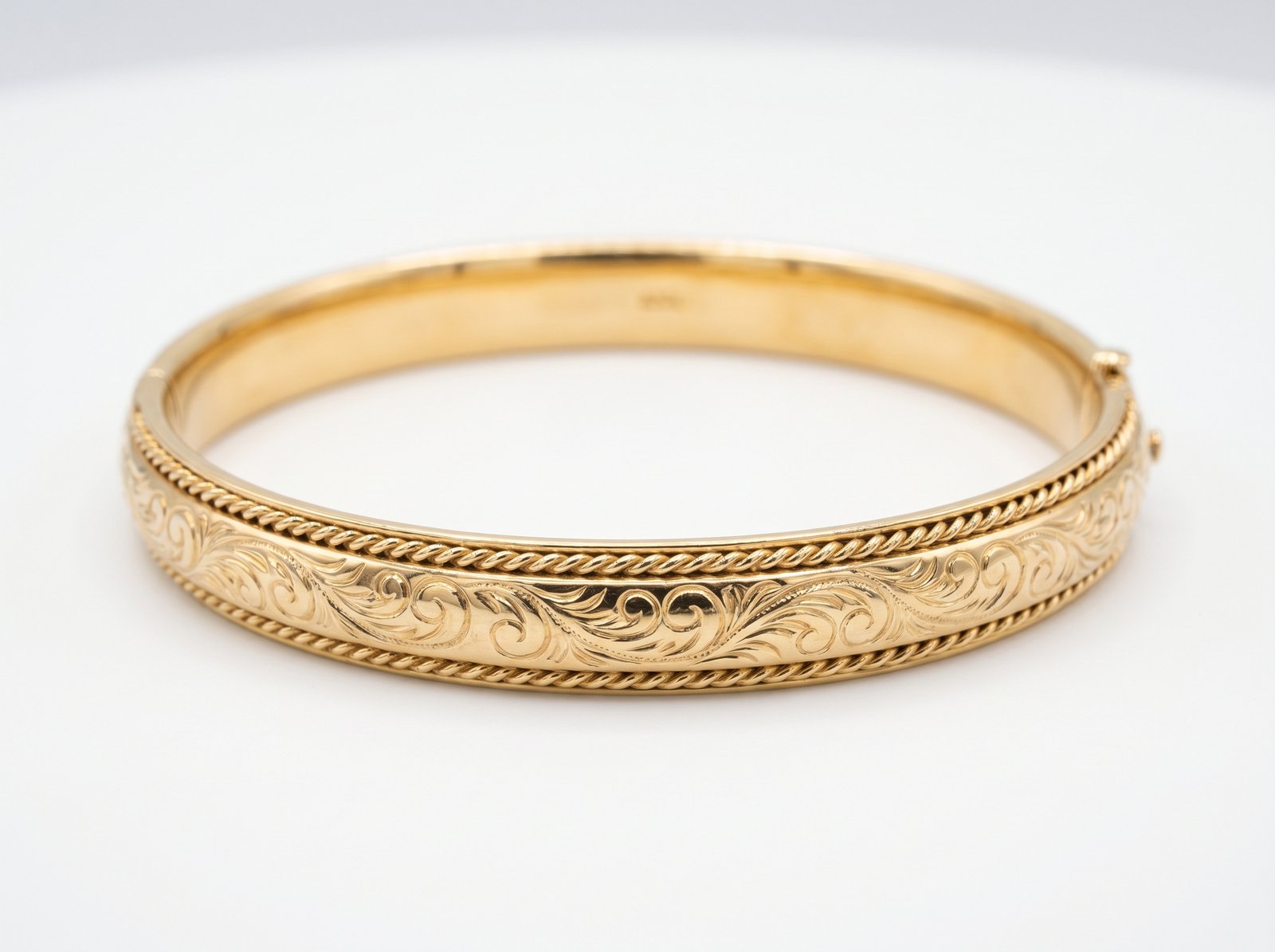
14K gold (58.5% pure gold) is the most popular gold alloy in the United States, Canada, and many international markets. It hits a near-perfect balance of color, durability, and price.
Composition
- 58.5% pure gold + 41.5% alloy (copper, silver, zinc, nickel)
- Hardness: ~3.5-4 Mohs (very durable)
- Color: rich yellow, slightly less saturated than 18K
- Density: 13.5 g/cc
✅ Pros
- Excellent durability — ideal for everyday-wear rings and bracelets
- Rich gold color that satisfies most customers
- Globally recognized as the standard for fine jewelry
- Good value — 80% of 18K's color at ~75% of the price
❌ Cons
- More expensive than 9K for budget-conscious markets
- Can trigger nickel allergies in sensitive customers (request nickel-free alloy)
- Not as "pure" feeling as 18K for high-end customers
Best For
US, Canadian, and most international markets. Brands targeting $500-$3,000 retail. Engagement and wedding jewelry. Brands wanting real gold that's also durable enough for daily wear.
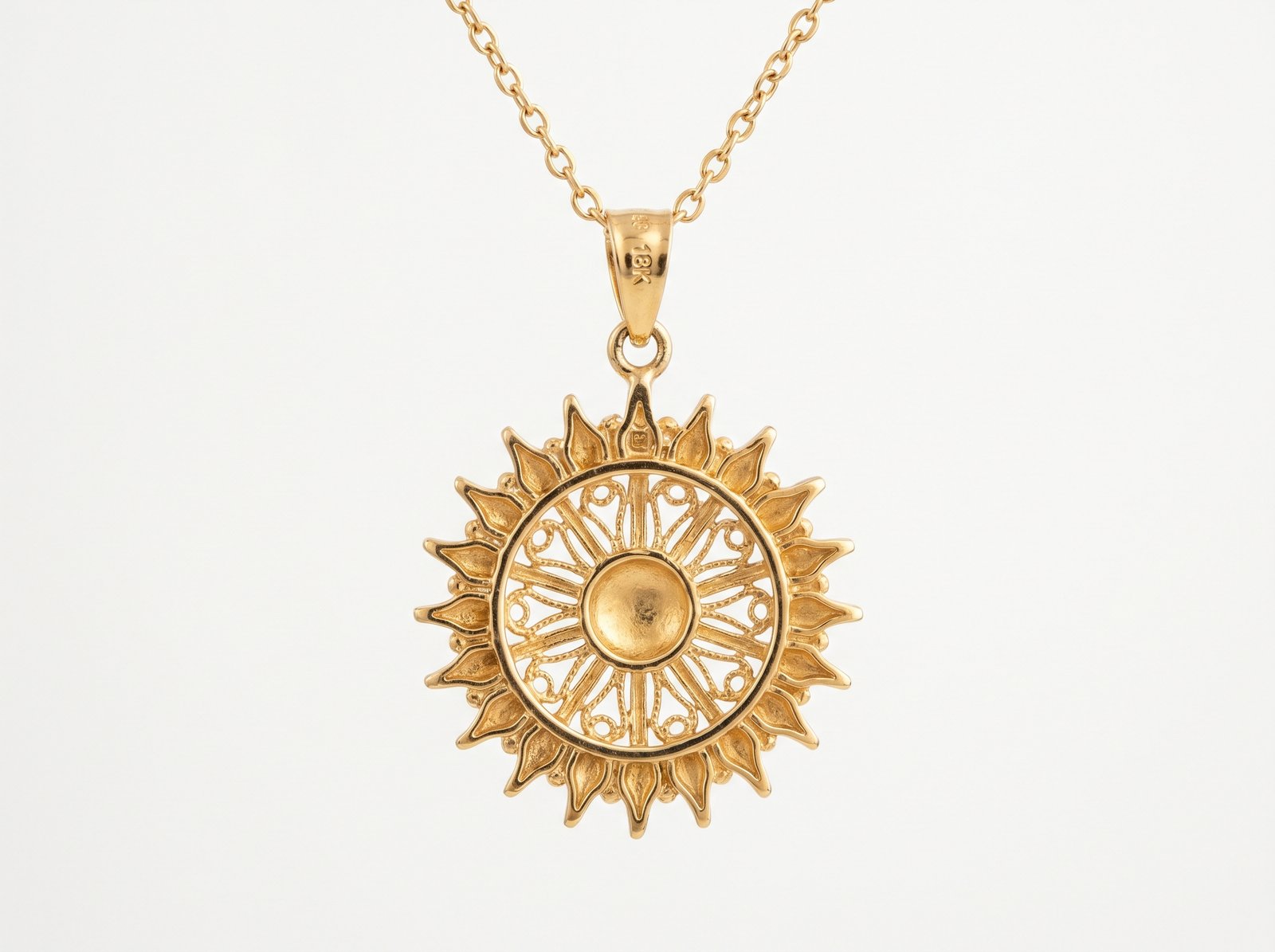
18K Gold: The Premium Choice
18K gold (75% pure gold) is the prestige choice for fine jewelry. It has the deepest, most saturated gold color and the highest perceived value, but is softer and more expensive than 14K.
Composition
- 75% pure gold + 25% alloy (copper, silver, palladium, zinc)
- Hardness: ~2.5-3 Mohs (softer than 14K)
- Color: deep, saturated yellow — the classic "gold" look
- Density: 15.6 g/cc
✅ Pros
- Richest gold color — instantly recognizable as fine jewelry
- Highest perceived value for premium positioning
- Hypoallergenic (typically nickel-free)
- Strong in Asian markets (China, Japan, India, Middle East) where 18K+ is standard
❌ Cons
- Most expensive — 30-50% more than 14K per piece
- Scratches more easily than 14K due to higher gold content
- Bends under stress — not ideal for thin rings or tension settings
Best For
Asian markets (China, Japan, Korea, Middle East). Premium positioning brands ($1,000+ retail). Brands where color and purity are the primary selling points.
Side-by-Side Comparison
| Property | 925 Silver | 9K Gold | 14K Gold | 18K Gold |
|---|---|---|---|---|
| Pure gold/silver content | 92.5% silver | 37.5% gold | 58.5% gold | 75% gold |
| Mohs hardness | 2.5-3 | 3.5-4 | 3.5-4 | 2.5-3 |
| Color saturation | Bright white | Pale yellow | Rich yellow | Deep yellow |
| Price per gram (Jun 2026) | ~$1.10 | ~$40 | ~$65 | ~$85 |
| Tarnish resistance | Moderate (better with rhodium) | Excellent | Excellent | Excellent |
| Scratch resistance | Moderate | High | High | Moderate |
| Hypoallergenic | Yes (with nickel-free alloy) | Varies | Varies | Yes (usually) |
| Best retail price range | $30-$500 | $200-$1,000 | $500-$3,000 | $1,000-$10,000+ |
| Primary markets | Global | UK, AU, EU | US, CA, Global | Asia, Premium |
How to Choose the Right Metal for Your Brand
There's no single "right" answer — the best metal for your brand depends on your specific positioning, target customer, and price point. Here's a quick decision framework:
Choose 925 Silver If:
- Your retail price range is $30-$500
- You want to test designs with low upfront cost
- You produce high SKU counts and need low minimums
- Your customer prioritizes versatility and value over intrinsic metal value
Choose 9K Gold If:
- You sell primarily in UK, Australia, or EU markets
- You want real gold at the lowest possible price
- Your customer wants gold-tone jewelry that will last decades
Choose 14K Gold If:
- You sell in US, Canada, or globally
- Your retail price range is $500-$3,000
- You want maximum durability for everyday-wear pieces
- You want the "default fine jewelry" choice that satisfies most customers
Choose 18K Gold If:
- You target Asian markets or premium positioning
- Color and purity are the primary selling points
- Your customer is buying for a special occasion (engagement, anniversary)
Can You Mix Metals in a Collection?
Absolutely — many successful brands do. A common strategy is to launch with sterling silver at accessible price points, then add 14K gold pieces for the premium tier. Some brands even mix metals within a single piece (two-tone rings, mixed-metal bracelets) for visual interest.
The key is to be intentional about your metal story so customers understand what each piece represents in your brand hierarchy. A silver "everyday" line and a gold "occasion" line are a powerful combination — but only if your branding makes the distinction clear.
Need Help Choosing the Right Metal?
Tell us about your brand, target customer, and price points. We'll recommend the right metal mix and provide sample kits across silver, 9K, 14K, and 18K.
Request Sample Kit →Frequently Asked Questions
Is 9K gold real gold?
Yes, 9K gold is legally considered real gold in most countries, including the UK, Australia, and the EU. It contains 37.5% pure gold (375 parts per thousand) and 62.5% other metals. It's the minimum karat legally recognized as 'gold' in many jurisdictions. In the US and Canada, 9K is rarely marketed as "gold" due to consumer expectations, but it is still real gold.
Will sterling silver tarnish?
Yes, sterling silver (925) will tarnish over time when exposed to air, moisture, and sulfur compounds. Tarnishing is a surface oxidation that's easily removed with a polishing cloth. Rhodium plating (0.1-0.3 microns) dramatically slows tarnishing — pieces can go 2-3 years without visible tarnish with proper plating.
Which is better for everyday wear: 14K or 18K gold?
14K is generally better for everyday wear, especially for rings and bracelets that take more physical abuse. 14K is harder (Mohs ~3.5-4 vs 18K's ~2.5-3), more scratch-resistant, and less prone to bending. 18K is preferred for fine jewelry where the richer, more saturated gold color is the priority.
What MOQ does LY Jewelry offer for gold jewelry?
Our minimum order quantity for 9K, 14K, and 18K gold jewelry is 10 pieces per design for OEM. Gold is more expensive to source and work with than silver, so per-piece tooling costs are slightly higher. We can produce sample orders as small as 1 piece for design approval.

Manufacturer of sterling silver and gold jewelry for B2B brands worldwide. 25 years of OEM/ODM experience. SGS-certified. AGJA member. Trusted by 5,000+ jewelry professionals across 24 countries.