From Sketch to Shipment: Inside Our 12-Step Jewelry Manufacturing Process
When you order a piece of custom jewelry from LY Jewelry, you're not just buying a ring, a bangle, or a pendant. You're commissioning a process that involves 12 distinct steps, dozens of skilled artisans, multiple rounds of quality control, and a global logistics network — all working together to turn a sketch on a piece of paper into a finished piece sitting in a customer's hand.
Most jewelry brands — especially those new to private-label or OEM/ODM manufacturing — never get to see what happens between "I have a design idea" and "the shipment just arrived at my warehouse." That's a problem. Because if you don't understand the process, you can't set realistic timelines, evaluate supplier quality, or communicate with confidence to your own customers.
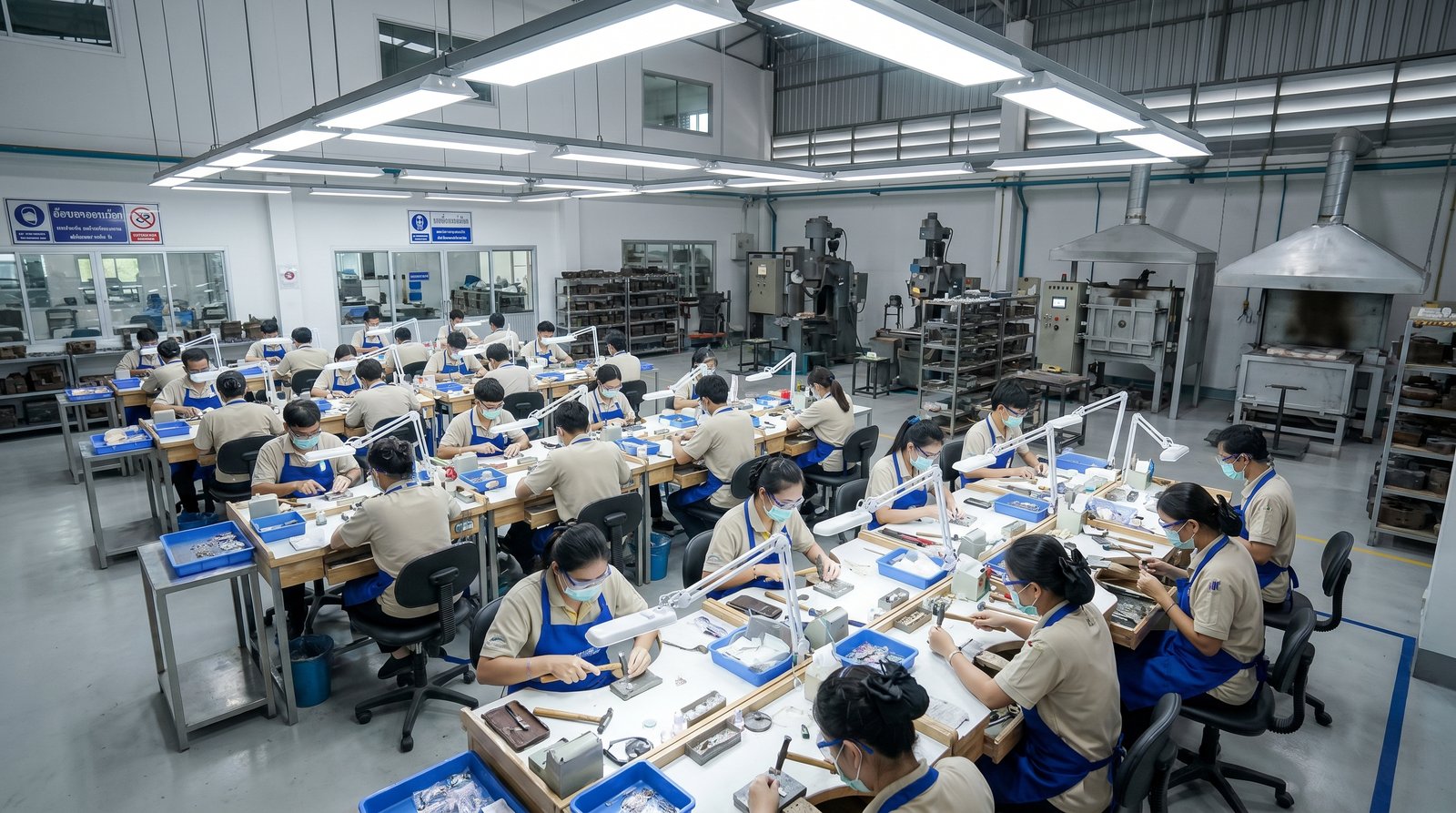
So today, we're pulling back the curtain. Here's exactly what happens at LY Jewelry's 25-year-old manufacturing facility — from the first pencil stroke to the final shipping container.
Step 1: Design Brief & Hand Sketch
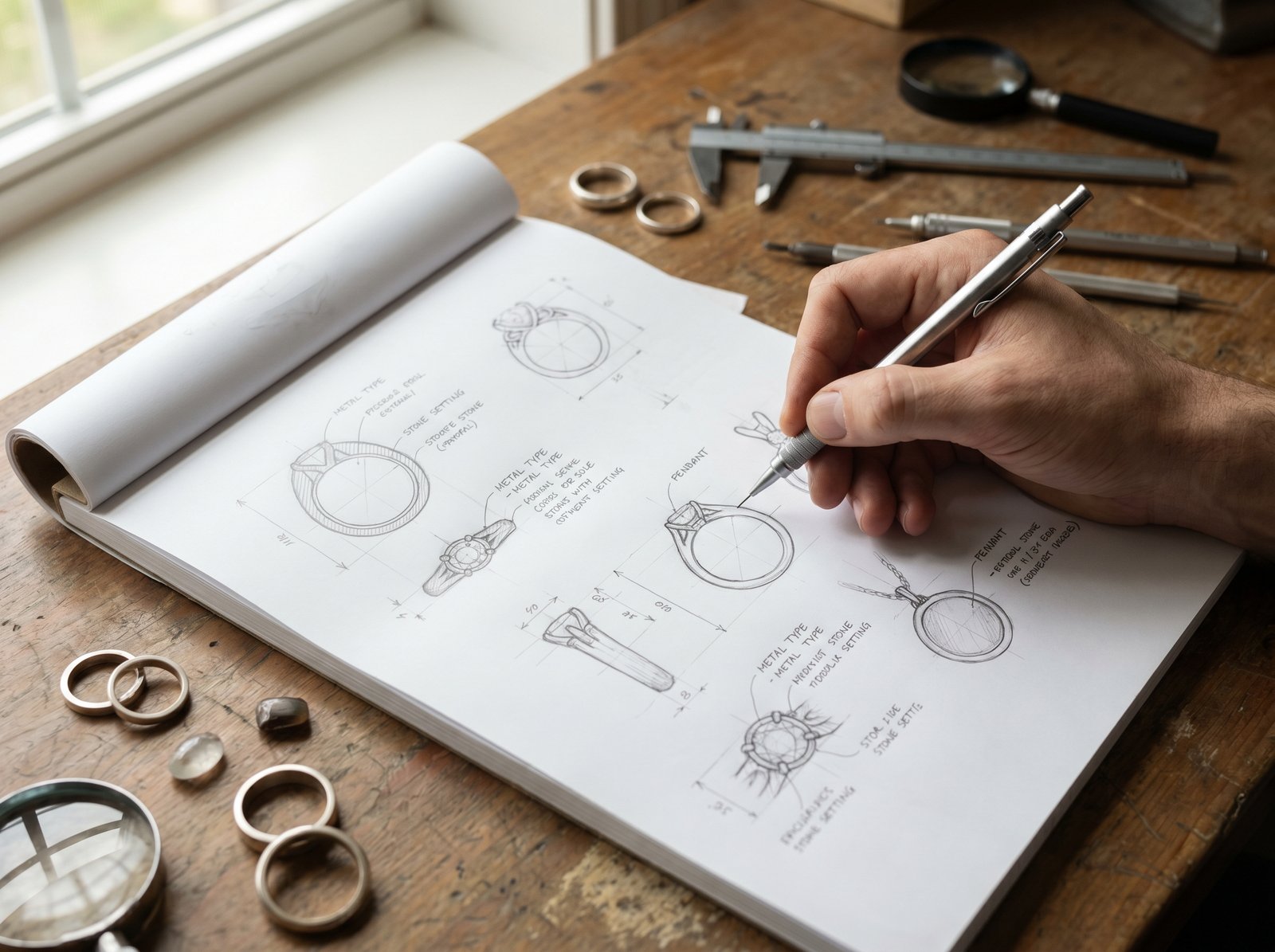
Every piece starts with a conversation. Our design team meets with you to understand the brand story, target market, price point, and aesthetic direction. Then our senior designer translates that brief into 2-3 hand-sketched concepts.
Hand sketching is intentional in 2026. While AI image generators can produce 100 variations in 5 minutes, a hand-drawn sketch forces a designer to think about proportion, ergonomics, and manufacturability — the things that determine whether a design can actually be cast, set, and worn comfortably.
Typical duration: 2-4 days for initial concepts.
Step 2: CAD 3D Modeling
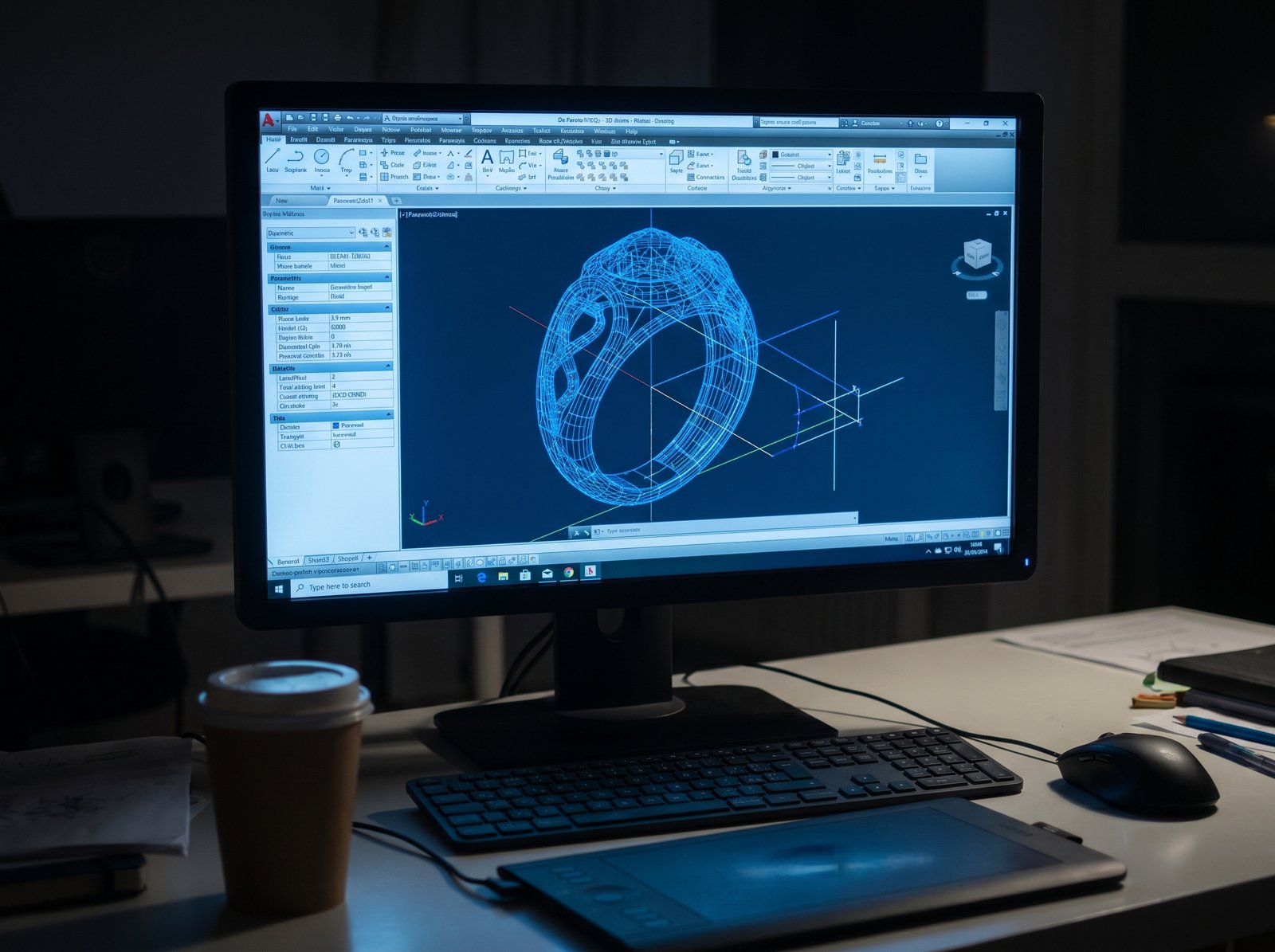
Once a sketch is approved, it moves into Matrix, RhinoGold, or JewelCAD — the industry-standard 3D modeling software for jewelry. Our CAD designers build a fully parametric 3D model with precise dimensions, stone sizes, and metal thickness.
CAD isn't just a "cleaner version of the sketch." It's a precision engineering document. Every prong, every bezel wall, every gallery rail is measured to 0.01mm tolerance. This is the file that will eventually drive the CNC mill that cuts the master pattern, so accuracy at this stage is non-negotiable.
Typical duration: 3-5 days for the first CAD, plus 1-2 revision cycles.
Step 3: 3D Resin Prototype (Optional)
For complex or high-value designs, we print a resin prototype on a high-resolution SLA 3D printer. This gives you a physical sample to evaluate — hold it, photograph it, show it to focus groups — before committing to metal tooling.
Resin prototypes are inexpensive (typically $30-80 per piece) and dramatically reduce the risk of approving a CAD that looks great on screen but feels wrong in the hand.
Typical duration: 1-2 days. Add $30-80 per prototype to the project cost.
Step 4: Wax Model Injection
Once the CAD is locked, we use the digital file to program a CNC wax injector. This machine carves a hard wax master pattern — typically in a "tree" configuration where multiple identical pieces are connected by a central sprue. The wax tree allows us to cast 10-50 pieces in a single pour, dramatically reducing per-unit cost.
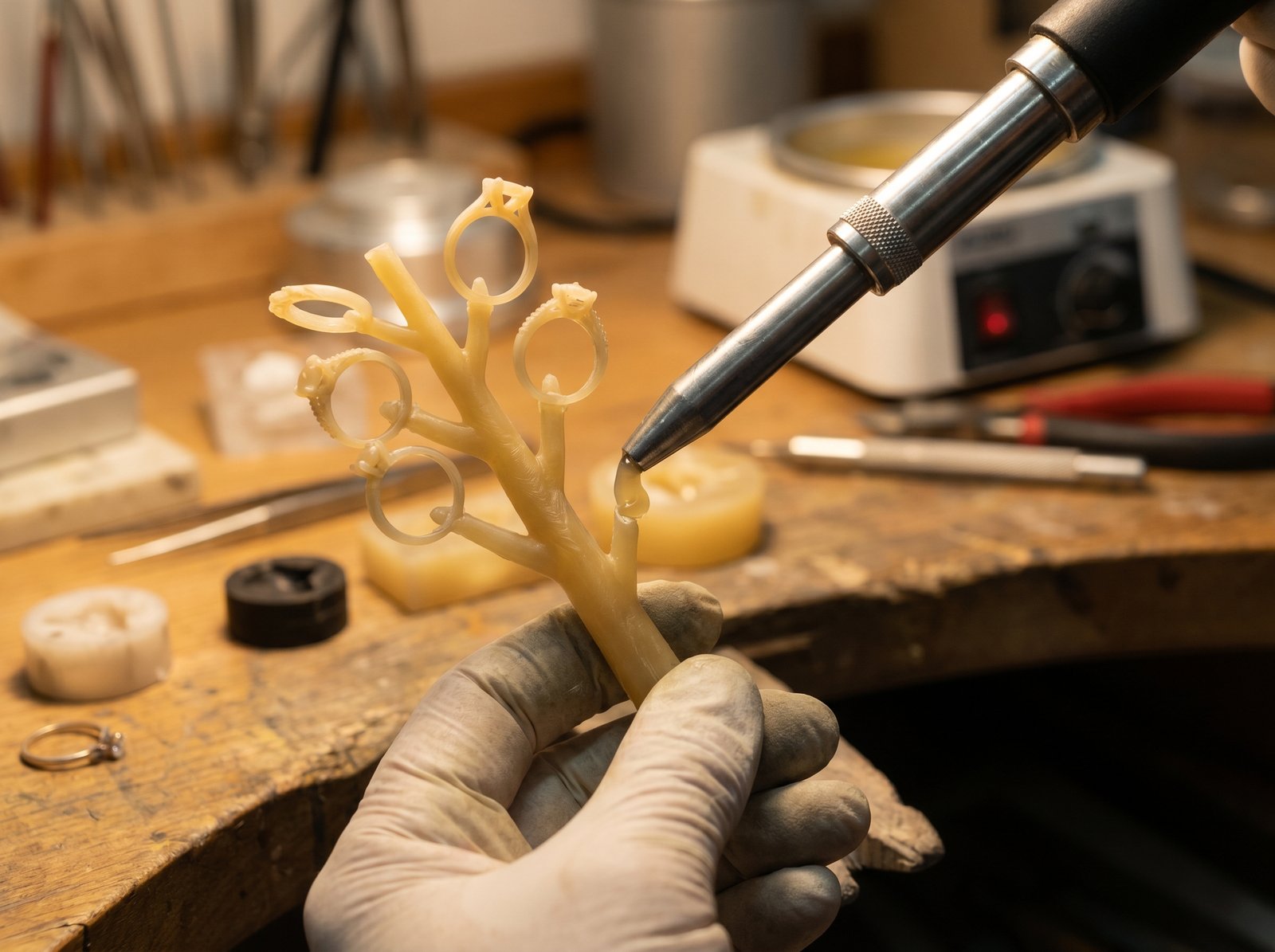
The wax itself is a specialist material — soft enough to inject at low pressure, hard enough to hold fine detail through investment. We use blue casting wax from Freeman or Ferris, with a melting point around 70°C.
Typical duration: Half a day per tree.
Step 5: Wax Tree Assembly & Inspection
Before the wax tree goes into investment, a senior caster inspects every piece by hand under magnification. We're looking for:
- Micro-bubbles or surface voids that would propagate into the casting
- Sprue attachment points (must be thick enough to feed metal, but not so thick they leave ugly gates)
- Stone seats (if pre-setting stones in wax) must be perfectly sized
- Any flash or seam lines that need to be re-finished
This is unglamorous work, but it's the difference between a 95% first-pass yield and a 70% one. We've learned the hard way that 10 extra minutes of inspection saves hours of polishing and remakes.
Step 6: Investment & Lost-Wax Casting
Now the magic happens. The wax tree is placed inside a steel flask, surrounded by a plaster-like investment powder (gypsum-bonded silica), and placed in a burnout furnace at 700°C for 12+ hours. The wax melts and burns out completely, leaving a perfect negative cavity in the investment — that's the "lost" in "lost-wax casting."
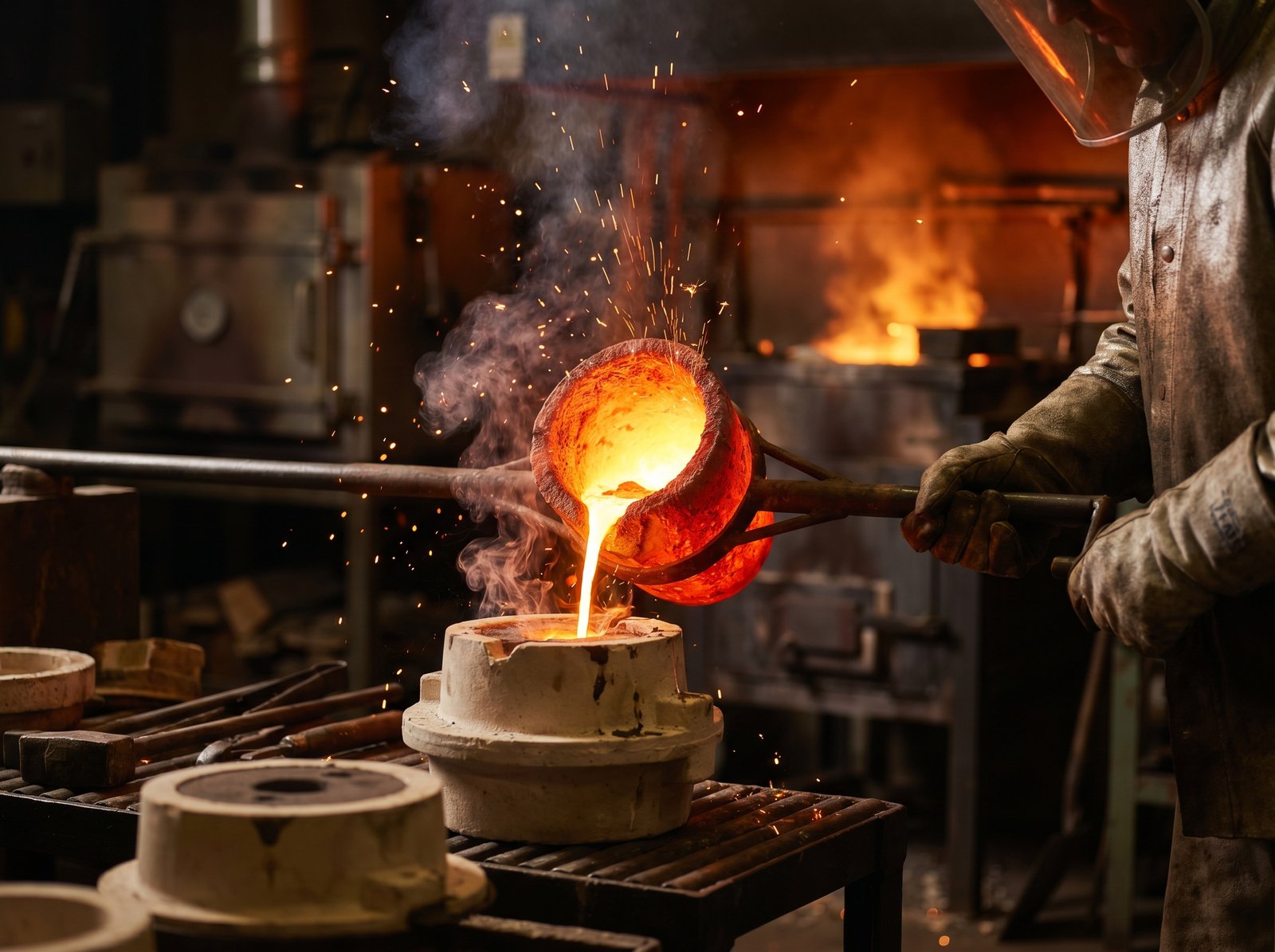
While the flask is still hot (around 600°C), molten metal is poured in — either by centrifugal casting, vacuum casting, or induction casting, depending on the alloy and piece size. The metal fills the cavity, takes the shape of the original wax, and solidifies within minutes.
For sterling silver, we cast at 950-1000°C. For 9K, 14K, and 18K gold, casting temperatures range from 1000-1100°C depending on the alloy composition. Platinum requires even higher temperatures and a different process entirely.
Typical duration: 14-16 hours for burnout, 30 minutes for casting and cooling.
Step 7: Devesting & Cut-Off
Once the casting has cooled, the investment is broken away — usually with a light hammer tap and water rinse. The individual pieces are snipped off the central sprue using a jeweler's saw or specialized cutoff wheel.
At this point you have a "raw" casting. It looks rough — sprue stubs, investment residue, possibly some surface pitting. That's normal. The next 4 steps turn this rough blob into a finished piece of jewelry.
Step 8: Stone-Seat Preparation
If the piece will receive stones (which is most of our work), the setter prepares the seats before any polishing happens. Why? Because polishing generates heat and friction that can shift the geometry of an unfinished seat, which then makes stone-setting sloppy.
Seat preparation involves drill, burr, and bead tools to refine the seat depth, angle, and "bell" — the slight cone shape that holds a round stone snugly by its girdle.
Step 9: Polishing & Pre-Finishing
Now the piece gets its shine. Polishing at LY Jewelry happens in 3-4 stages:
- Coarse grinding (120-400 grit) to remove sprue stubs and surface defects
- Fine sanding (600-1200 grit) to refine the surface
- Polishing compounds (tripoli, rouge, cerium oxide) on cotton or felt wheels to bring up the luster
- Ultrasonic cleaning to remove residual compound from crevices
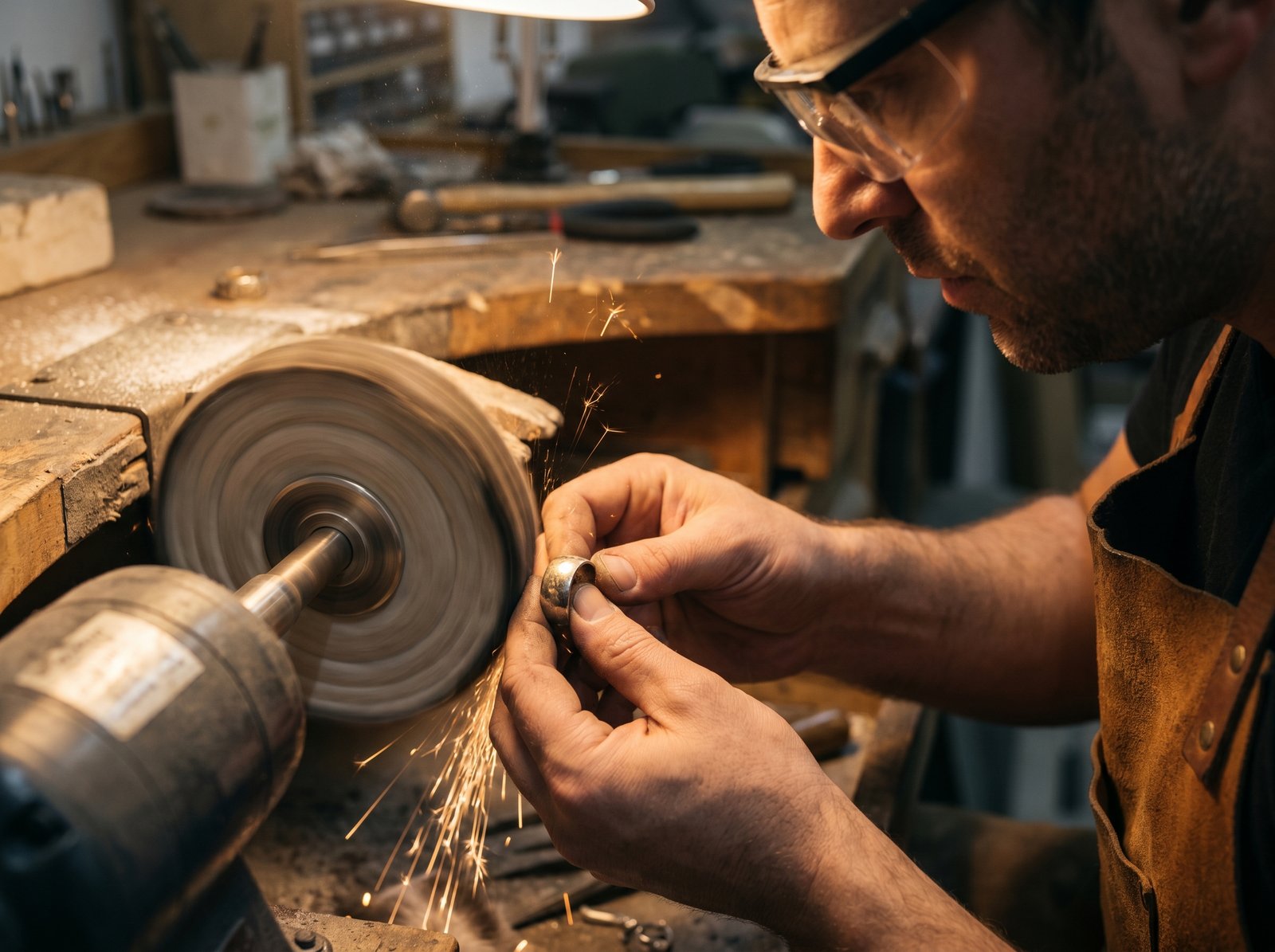
A skilled polisher can take a piece from "grey and dull" to "mirror-bright" in 20-30 minutes per piece. The skill is in not removing material from places that need to stay sharp (prong tips, design details) while making the high surfaces glow.
Step 10: Stone Setting
This is the most skill-intensive step. Stone setting is its own craft, with specialists who do nothing else all day. There are 4 main techniques, each suited to different designs:
- Prong setting — Most common. 4 or 6 metal claws hold the stone from above. Maximizes light return but prongs can catch on clothing.
- Bezel setting — A continuous metal rim encircles the stone. Most secure but blocks some light. Best for everyday-wear and active lifestyles.
- Pavé setting — Tiny stones set close together with minimal metal showing. Requires a specialist setter and precision tools.
- Channel setting — Stones set in a continuous channel between two metal rails. Popular for eternity bands and tennis bracelets.
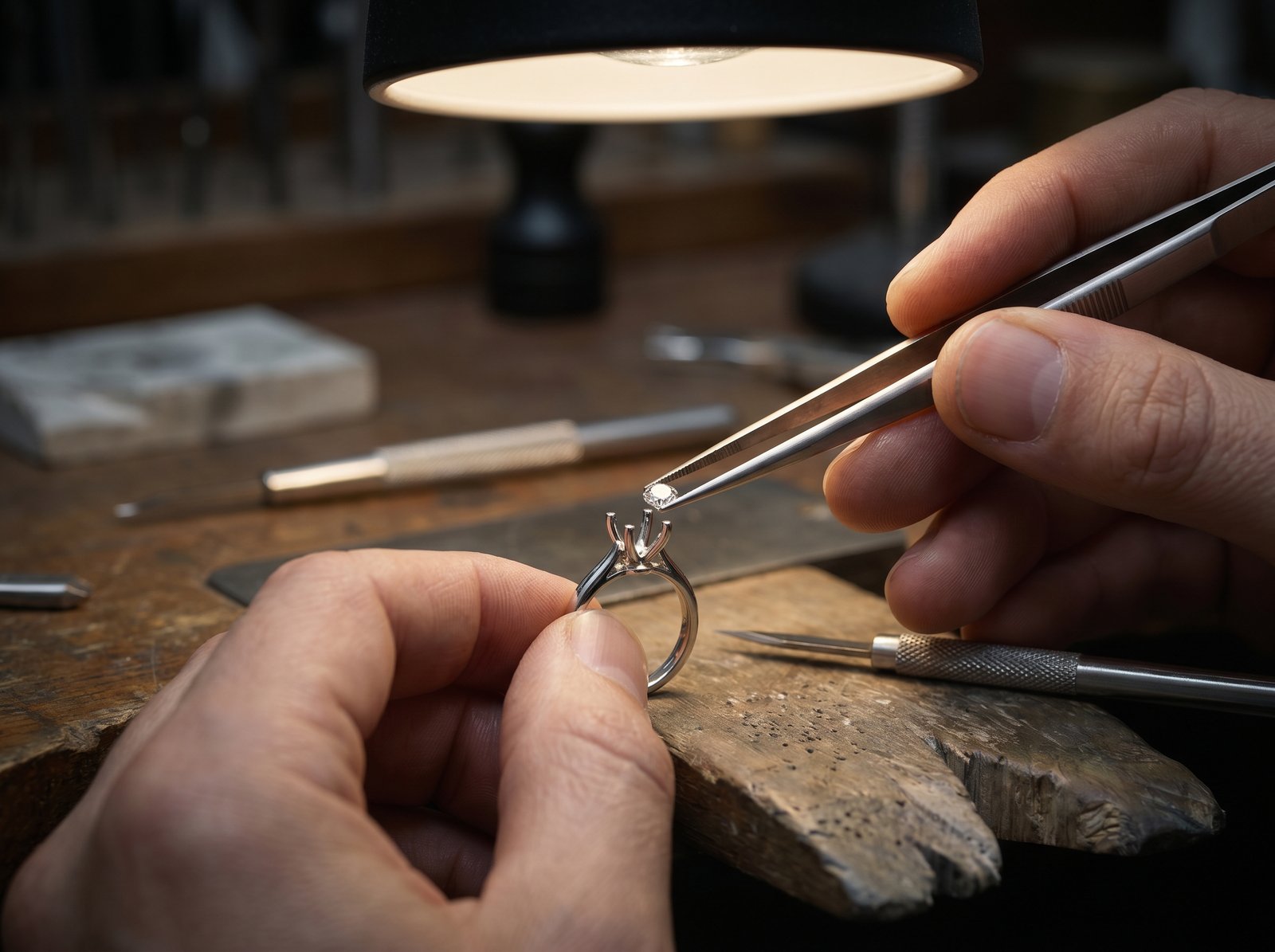
For a deeper comparison of these techniques, see our Stone Setting Techniques Explained guide.
Typical duration: 5-30 minutes per stone, depending on technique and stone size.
Step 11: Plating & Final Finishing
For silver pieces, we typically apply rhodium plating (0.1-0.3 microns thick) for tarnish resistance and a brighter white finish. For gold pieces, plating is rare — the alloy color is the final color. For two-tone or specialty finishes (rose gold, black rhodium, antiquing), plating or patination happens here.
Our electroplating facility in Samut Prakan uses a closed-loop system that recovers 95%+ of the plating solution — meeting EU REACH and US EPA standards for effluent.
Step 12: Quality Control, Packaging & Shipping
The final step is the most rigorous. Every piece is inspected under 10x magnification by a QC specialist checking for:
- Stone security (each stone is gently pressed to ensure it's set tight)
- Surface finish (no scratches, no polishing compound residue)
- Plating thickness (XRF tested on sample batches)
- Hallmark accuracy (stamps, fineness marks, maker's mark)
- Dimensional accuracy (matches the approved CAD within 0.05mm)
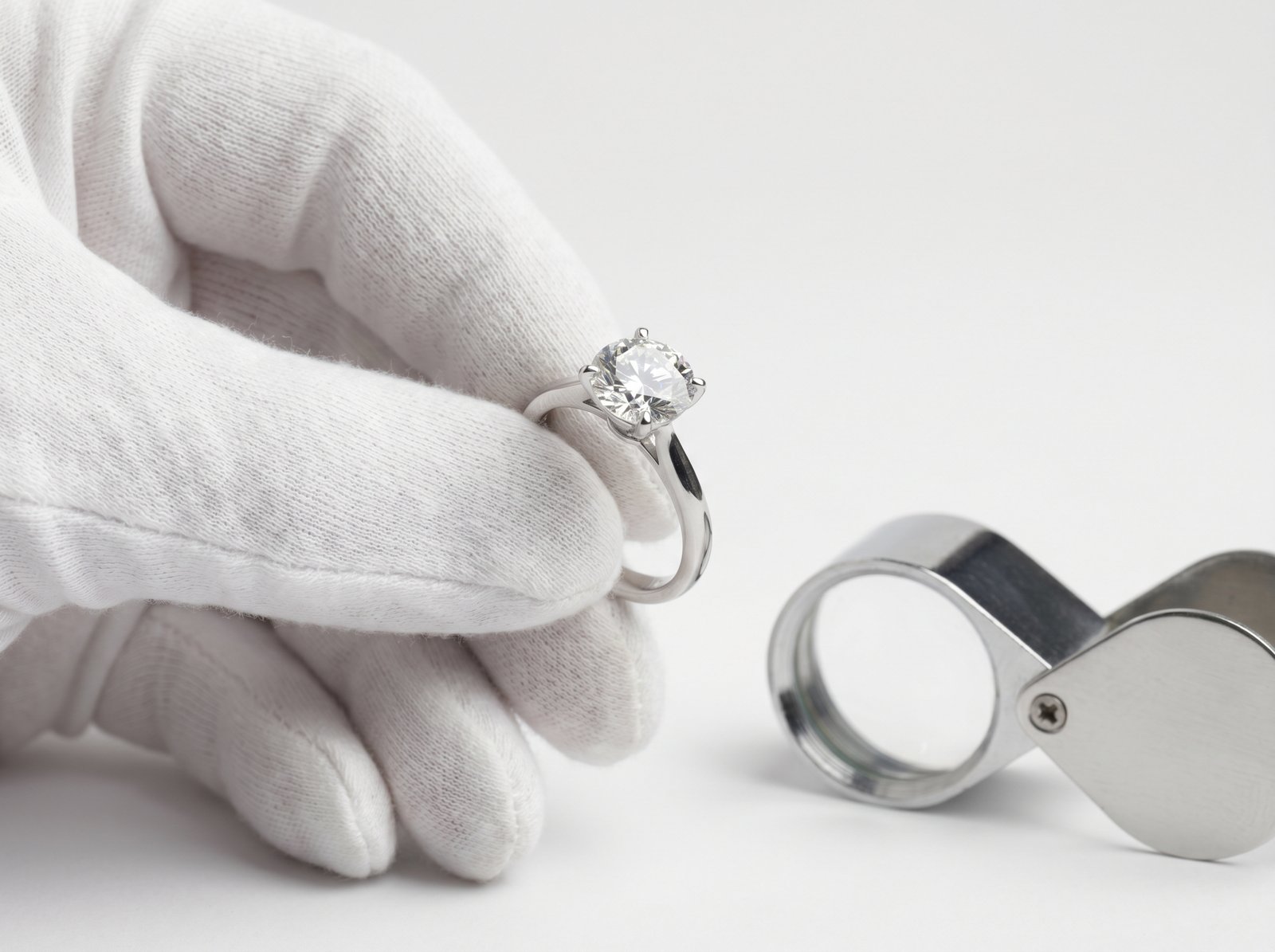
Pieces that pass are individually poly-bagged, placed in a brandable jewelry box (your logo, your colors, your inserts), and packed into shipping cartons with foam inserts.
From there, we ship via DHL, FedEx, or sea freight — depending on your urgency, volume, and destination. A typical 1,000-piece order takes 30-45 days from CAD approval to delivery, with air shipping adding 3-7 days and sea shipping adding 25-35 days.

Total timeline: 30-45 days for a 1,000-piece OEM order. 60-90 days for highly complex designs requiring multiple prototypes.
Why Process Discipline Matters
You can buy jewelry from a thousand different factories. What you can't easily find is process discipline — the cumulative effect of 25 years of small improvements, a culture where QC can stop a production line, and a documented workflow that survives staff turnover.
That's what we offer. Not the cheapest piece. Not the fastest. But a reliable, repeatable, scalable process that you can build a brand on. Most of our clients have been with us 5+ years. The ones who leave usually come back within 18 months.
Ready to see the process in action? Visit our Bangkok facility or learn why Thailand-origin jewelry saves 18-36% on US landed costs.
Ready to Start Your Custom Jewelry Project?
Get a free quote within 24 hours. MOQ 10 pieces. 7-10 day samples.
Get a Free Quote →Frequently Asked Questions
What is the minimum order quantity (MOQ)?
10 pieces per design for OEM. 50 pieces for ODM. We've shipped sample orders as small as 1 piece for design approval.
Can I visit the factory?
Yes. We host B2B clients in Bangkok year-round. Our AGJA certification ensures full transparency. Contact us to schedule a visit.
What if my design requires stones I don't have?
We supply CZ, moissanite, lab-grown diamonds, natural diamonds, and most colored gemstones. All stones are sourced from certified suppliers with full traceability.
How do you handle quality disputes?
Every shipment is photographed and documented pre-shipment. If a piece fails your incoming QC, we replace it at our cost and refund the shipping — a policy that's been in place for 15+ years.
Manufacturer of sterling silver and gold jewelry for B2B brands worldwide. 25 years of OEM/ODM experience. SGS-certified. AGJA member. Trusted by 5,000+ jewelry professionals across 24 countries.